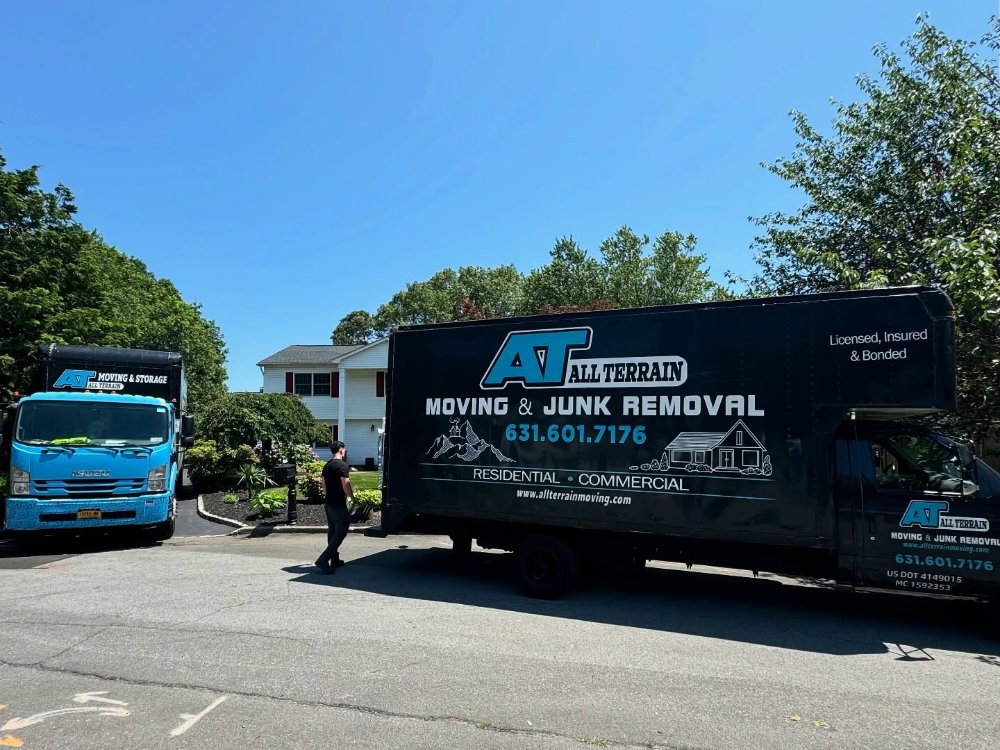
Planning a move across state lines is a more significant project than relocating across town, requiring careful scheduling, budgeting, and coordination to ensure everything arrives safely and on time. For Long Island residents, that means factoring in traffic patterns, parking restrictions, and choosing the right licensed long-distance movers.
This guide provides a clear timeline and checklist to keep your interstate move organized—from eight weeks out to settling into your new home.
Key Takeaways
- Start planning 8–12 weeks in advance to stay on schedule.
- Hire licensed, insured movers with interstate moving experience.
- Declutter early and schedule junk removal to save on costs.
- Transfer utilities and update your address before moving day.
- Keep essentials, documents, and valuables with you during the move.
Step 1: 8–12 Weeks Before the Move – Research & Preparation
- Hire a moving company: Look for licensed and insured movers with proven interstate experience. All Terrain Moving & Junk Removal, based in Islandia, NY, helps families and businesses across Nassau, Suffolk, and Queens counties with long-distance relocations.
- Gather quotes: Get at least three estimates and compare services beyond just cost—review insurance coverage, packing options, and customer reviews.
- Check credentials: Interstate movers must have a U.S. Department of Transportation (USDOT) number.
- Notify your landlord or prepare to sell: Renters should give at least 60 days’ notice. Homeowners should connect with a real estate agent if listing their property.
- Set a budget: Factor in moving company fees, travel costs, deposits for utilities, and any temporary housing.
- Start a moving binder: Keep contracts, checklists, and receipts organized in one place.
Step 2: 6–8 Weeks Before – Declutter & Organize

- Sort room by room: Decide what to keep, sell, donate, or discard.
- Schedule junk removal: A professional junk removal service like All Terrain can clear out unwanted furniture, appliances, or bulk items so you don’t pay to move them.
- Donate locally: Organizations across Long Island, like Goodwill or Habitat for Humanity, accept furniture and clothing in good condition, and our team can manage this process for you.
- Take inventory: Photograph valuable belongings for insurance records.
- Gather supplies: Purchase boxes, tape, bubble wrap, and labels, or request packing help from your movers.
- Start packing non-essentials: Seasonal items, décor, and books can be boxed now.
- Handle school records: Arrange transfers if moving with children.
Step 3: 4–6 Weeks Before – Packing & Scheduling
- Confirm moving date: Reconfirm details with your mover, including arrival times.
- Transfer utilities: Schedule shut-offs on Long Island and start dates at your new home for electricity, gas, water, and internet.
- Change your address: File a forwarding request with USPS and update subscriptions or delivery services.
- Book travel plans: Reserve tickets, hotels, or plan your driving route.
- Arrange temporary housing: Make accommodations if you’ll arrive before your belongings.
- Continue packing: Box up items you won’t need before the move.
Step 4: 2–3 Weeks Before – Final Preparations
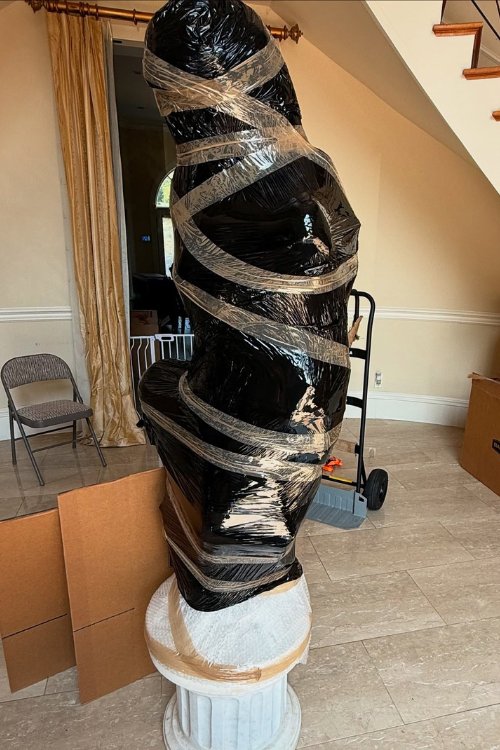
- Pack specialty items: Secure artwork, glassware, and antiques, or use All Terrain’s professional packing assistance.
- Confirm logistics: If moving from an apartment or condo, check rules for elevator reservations, parking permits, or restricted moving hours.
- Dispose of hazardous items: Movers cannot transport paint, propane tanks, or chemicals. Drop these off at local facilities.
- Arrange move-out cleaning: Schedule a service or set aside time for property cleaning.
- Plan for pets and plants: Prepare carriers, vet records, and transport arrangements.
- Service your vehicle: If driving, get an oil change and tire inspection.
Step 5: 1 Week Before – Countdown
- Pack a first-night box: Include toiletries, clothes, medications, chargers, snacks, and basic kitchen items.
- Backup files: Save important documents and photos digitally.
- Organize paperwork: Have contracts, IDs, insurance, and payment ready for moving day.
- Disassemble furniture: Take apart beds, tables, and shelving if not included in your moving package.
- Check in with movers: Confirm timing and services with your coordinator.
- Defrost the fridge: Clean and air out your refrigerator and freezer.
Step 6: Moving Day
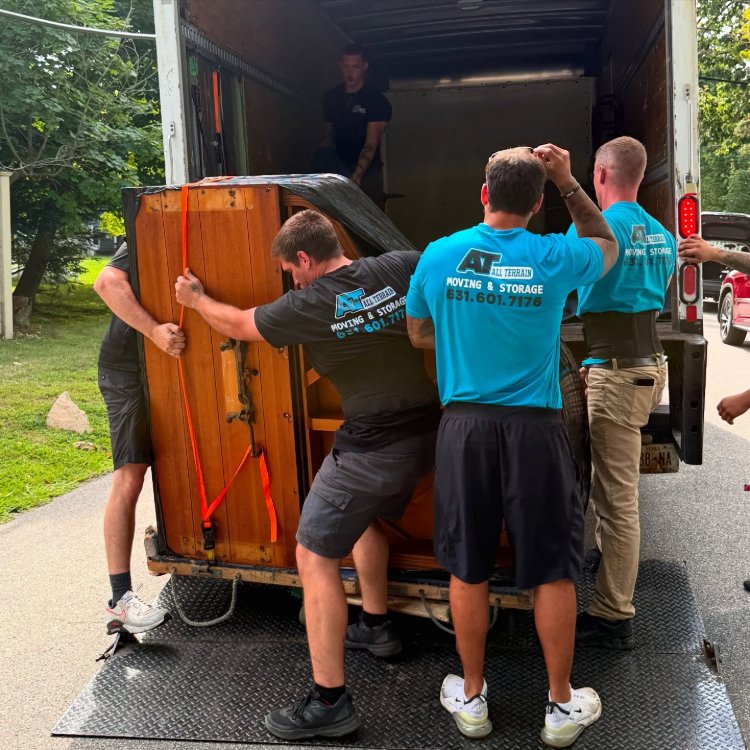
- Walk movers through your home: Point out fragile or specialty items.
- Keep valuables with you: Jewelry, passports, and electronics should travel separately.
- Do a final walkthrough: Check every closet, cabinet, and storage area.
- Lock up: Secure the property and hand off keys if necessary.
- Stay connected: Maintain communication with the moving crew in case of delays.
Step 7: After Arrival – Settling In
- Inspect your items: Compare belongings against your inventory and note any damages.
- Unpack essentials first: Set up bedrooms, bathrooms, and the kitchen.
- Report issues quickly: Most movers require damage claims to be filed promptly.
- Update your address: Notify the DMV, banks, credit cards, and insurance providers.
- Explore the neighborhood: Locate grocery stores, pharmacies, and other key services.
- Recycle packing materials: Break down boxes or schedule junk pickup at your new home.
Pro Tips for Long-Distance Moves
- Account for Long Island–specific factors such as bridge and tunnel tolls or heavy seasonal traffic.
- Build in extra time for weather or traffic delays.
- Photograph electronics before disassembly for easier reassembly.
- Use color-coded labels to organize boxes by room.
- Keep cash on hand for tolls, tips, or emergencies.
- Consider moving during the fall or winter to save compared to peak summer months.
Downloadable Checklist: Long Island Long-Distance Move Planner
Here’s a simplified version of our moving checklist. You can also download the complete checklist as a PDF for easy printing and reference.
- 8 Weeks Out: Hire movers, set budget, notify landlord/agent.
- 6 Weeks Out: Declutter, schedule junk removal, start packing.
- 4 Weeks Out: Confirm date, transfer utilities, book travel.
- 2 Weeks Out: Finalize packing, arrange cleaning, plan for pets.
- 1 Week Out: Essentials box, digital backups, disassemble furniture.
- Move Day: Walkthrough, load belongings, keep valuables close.
- After Arrival: Inspect, unpack essentials, update address.
Final Thoughts on Your Long-Distance Move
Long-distance moves from Long Island don’t have to feel overwhelming. With a clear timeline and the right support, you can stay organized from the planning stage through unpacking at your new home.
At All Terrain Moving & Junk Removal, we help Long Island families and businesses relocate with confidence. From licensed interstate moving to junk removal and packing services, our team takes the stress out of big moves.
Ready to get started? Contact us today for a free long-distance moving quote at 631-634-6383 or send us a message online.
FAQs: Long Distance Move From Long Island
How far in advance should I book movers for a long-distance move?
At least 8–12 weeks in advance, especially during summer.
What items can’t movers take across state lines?
Hazardous materials like propane, paint, and chemicals.
How can I reduce the cost of a long-distance move?
Declutter, donate, and use junk removal services to cut down on weight and volume.
Do I need extra moving insurance?
Basic coverage is included, but additional insurance is recommended for valuable items.
How long does it take to move from Long Island to another state?
Timing depends on distance, but most interstate moves take 2–7 days once items are in transit.