
Moving from New York City to Long Island is less about packing boxes and more about clearing building requirements before your move date is even confirmed. Most NYC buildings require a Certificate of Insurance, specific delivery windows, and approved truck sizes long before a moving truck can park at the curb. This guide explains the exact logistics that often delay or cancel moves, and how working with the right Long Island moving company prevents those issues.
Key Points Summary
- Most NYC buildings require a Certificate of Insurance before approving a move date
- COI errors are a top reason NYC moves get delayed or denied
- Bridge and tunnel timing directly impacts move length and cost
- Truck size limits in NYC differ significantly from Long Island residential areasaccess
- Experienced movers handle COI requests and building coordination for you
What Is a Certificate of Insurance (COI) and Why Do NYC Buildings Require It?
A Certificate of Insurance, commonly called a COI, is a document proving your moving company carries proper liability and workers’ compensation coverage.
NYC property managers require a COI to protect the building, staff, and residents during your move. Most Manhattan, Brooklyn, and Queens buildings will not allow a move without an approved COI on file.
What NYC Buildings Typically Require on a COI
- Building owner and management company are listed as certificate holders
- Specific coverage limits, often $1,000,000 or more
- Exact move date and building address
- Additional insured language that meets building standards
One incorrect name, address, or policy limit can result in rejection. This is why many city-to-suburb moves stall before the truck ever leaves the borough.
Who Handles the COI When Moving from NYC to Long Island?
Reputable NYC to Long Island movers handle COI requests on your behalf.
This includes:
- Coordinating with building management
- Submitting certificates within the required timeframes
- Making revisions if the COI is rejected
- Confirming approval before dispatching the truck
When movers do not manage COIs, the responsibility often falls on the customer, which leads to delays, rescheduling fees, or canceled move dates.
Timing the Move: Avoiding Rush Hour on NYC Bridges and Tunnels
Traffic timing is a major factor when moving out of the city. NYC moves are commonly restricted to specific delivery windows, often between 9:00 AM and 4:00 PM. Add bridge and tunnel congestion, and poor timing can add hours to a move.
Traffic Patterns That Can Add Hours to an NYC Move
- Queens Midtown Tunnel during weekday mornings
- Brooklyn Bridge and Manhattan Bridge during afternoon traffic
- Long Island Expressway congestion during peak commuting hours
Professional movers schedule departures to avoid rush hour while still meeting building-approved windows.
Truck Size Restrictions in Queens and Brooklyn vs Long Island
Truck access is another major difference between NYC and Long Island moves.
NYC Truck Restrictions
- Limited curb access or no standing zones
- Smaller box trucks required in many neighborhoods
- Parking permits or building dock reservations required
- Elevator reservations and padding requirements
Long Island Residential Access
- Driveway or curbside parking is usually permitted
- Larger trucks reduce total trips
- Faster unloading times
- Fewer municipal restrictions
Understanding these differences allows movers to choose the right truck size and avoid last-minute equipment changes.
Why City-to-Suburb Moves Fail Without Proper Planning
Most failed NYC to Long Island moves happen because of paperwork or access issues, not packing mistakes.
Common problems include:
- COI submitted too late
- COI rejected due to incorrect building details
- Truck too large for NYC street access
- Missed delivery window due to traffic
- No elevator reservation
An experienced mover plans around these obstacles before move day.
Why Hiring a Long Island-Based Moving Company Matters
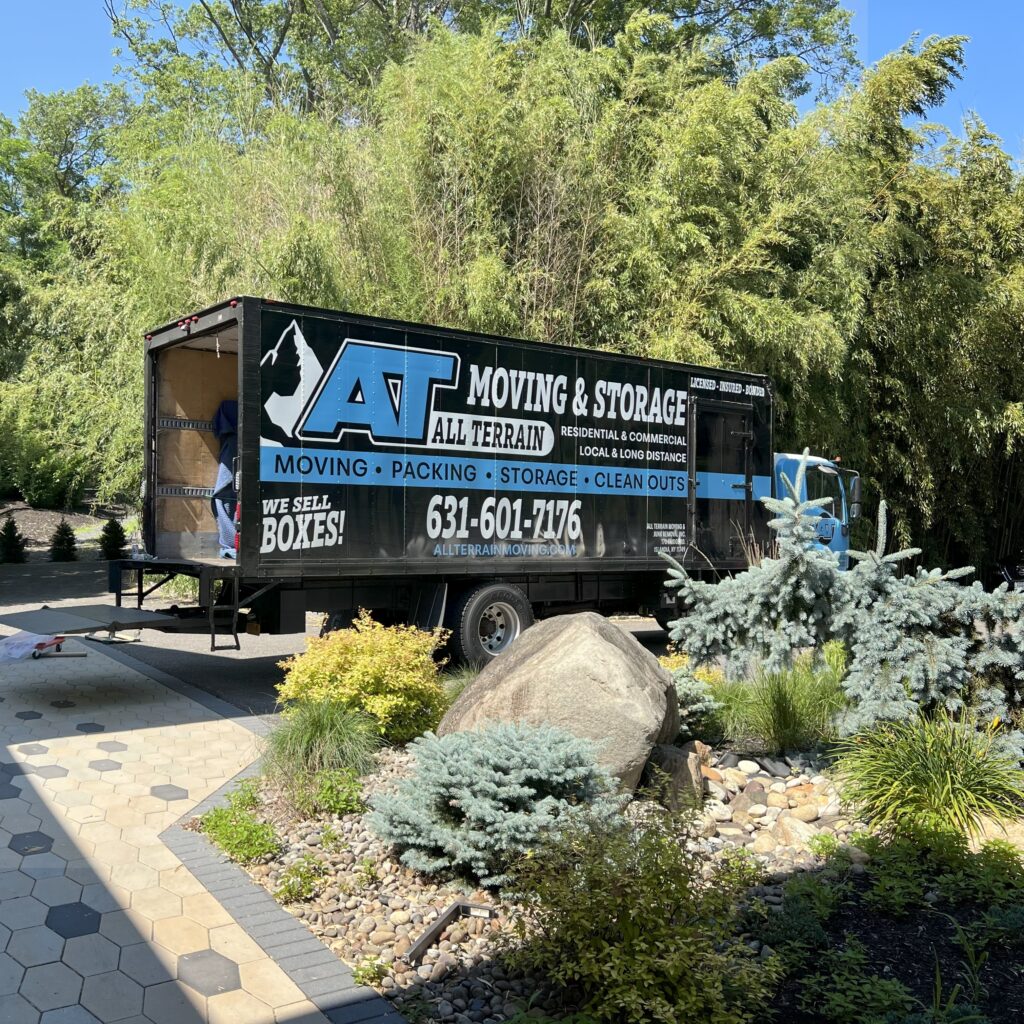
Long Island movers who regularly handle NYC departures understand both sides of the move. They know how NYC buildings operate and how Long Island residential moves differ. This experience reduces delays, prevents rescheduling, and keeps costs predictable.
We handle all COI requests for you.
If you are moving from NYC to Long Island, our team manages the paperwork, timing, and logistics so your move stays on schedule.
Contact All Terrain Moving & Junk Removal today to plan your city-to-suburb move the right way.
Address: 170 Bridge Road, Islandia, NY 11749
Phone: 631-634-6383
Email:[email protected]
Helpful Resources for NYC to Long Island Moves
Planning a move out of the city often comes with more questions than answers. If you want a clearer picture of timing, storage, and what move day actually looks like on Long Island, these guides break it down step by step.
Looking for more move planning insights? Visit our Long Island moving blog for additional guides, checklists, and local expertise.
Frequently Asked Questions
How far in advance should a COI be submitted for an NYC move?
Most NYC buildings require COIs at least 3 to 7 business days before the move date.
Do all NYC buildings require a Certificate of Insurance?
Most apartment buildings, co-ops, and condos require one. Private homes may not.
Can a move be canceled if the COI is wrong?
Yes. Buildings can deny access on move day if the COI is incorrect or missing.
Is moving from Queens to Nassau County easier than Manhattan?
Traffic and access are usually easier, but COI and building rules still apply.
Do Long Island homes require moving permits?
Most Long Island residential moves do not require permits, unlike many NYC buildings.