Moving to the Hamptons or North Fork requires careful timing due to Route 27 congestion, seasonal traffic surges, narrow local roads, and ferry access restrictions. The most successful East End moves are scheduled midweek, outside peak summer hours, and coordinated in advance with ferry operators, estate managers, and local access rules.
Key Points Summary
- Route 27 traffic can double move times during summer weekends
- Midweek morning moves are the most reliable on the East End
- Ferry schedules and vehicle limits impact Shelter Island and Fire Island moves
- Estate properties require advanced coordination for access and logistics
- Local movers familiar with East End conditions reduce delays and added costs
Why Moving on the East End Is Different
The Hamptons and North Fork are not typical Long Island moves. Traffic patterns change dramatically by season, roads are often narrower, and many properties sit behind gates or long private driveways. Ferry access adds another layer of scheduling that cannot be improvised on move day.
Best Days and Times to Move to the Hamptons or North Fork
When Is the Best Time to Move?
The safest windows for East End moves are:
- Tuesday through Thursday
- Early morning arrival before 9 AM
- Late fall through early spring, when seasonal traffic drops
When to Avoid Moving
- Fridays after 12 PM during peak season
- Saturdays and Sundays between Memorial Day and Labor Day
- Holiday weekends, especially during the summer
Local crews refer to peak weekend congestion as the “Trade Parade,” when contractors, delivery trucks, and vacation traffic flood Route 27 and Montauk Highway simultaneously.
Summer weekend moves to the Hamptons often take twice as long as midweek moves.
How Route 27 Traffic Affects Your Moving Timeline
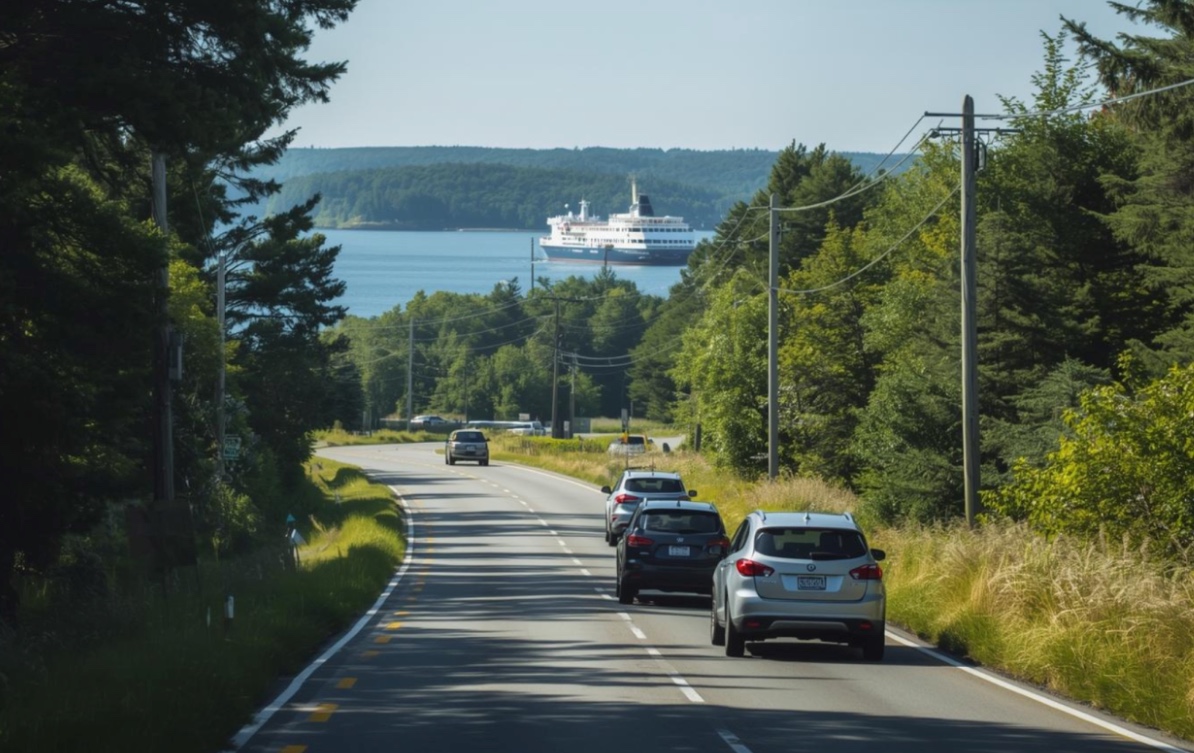
Route 27 is the primary artery to the South Fork, and it bottlenecks quickly. One minor slowdown can ripple for miles.
This impacts:
- Arrival windows
- Hourly labor costs
- Ferry check-in times
- Elevator or building reservations
Experienced East End movers plan alternate routes and pad arrival buffers to prevent missed access windows.
Ferry Movers: Shelter Island and Fire Island Logistics
Moving to Shelter Island
Shelter Island requires ferry transport via either the North Ferry or the South Ferry. Moving trucks are permitted, but access depends on vehicle specifications and advance planning.
Key considerations include:
- Vehicle length, height, and weight limits
- Advance reservations for commercial and oversized vehicles
- Weather-related delays that affect ferry schedules
- Limited vehicle capacity during peak summer months
. For more information, view the Ferry FAQ’s.
Moving to Fire Island
Most Fire Island communities do not permit standard vehicle access, and household goods are typically transported separately from passenger ferries. Fire Island Ferries operates a dedicated freight service for larger items such as furniture and appliances, which must be scheduled in advance and picked up within designated timeframes.
According to official Fire Island Ferries freight service guidelines, bulk items are accepted through the freight department with prior notice and same-day pickup requirements.
Additional complexities include:
- No direct vehicle access to many communities
- Freight service space limitations for oversized items
- Coordination between mainland trucks and ferry crews
- Extra handling for equipment and household goods
Fire Island moves require specialized ferry coordination and are not suitable for last-minute scheduling.
Estate and Gated Property Coordination
Many Hamptons and North Fork homes are estates with long driveways, private roads, or gated entry. A smooth move requires:
- Advance gate codes or on-site access approval
- Confirmation of driveway weight limits
- Clearance for oversized trucks
- Communication with estate managers or caretakers
Failure to coordinate access often leads to unloading delays or truck repositioning, which increases labor time.
Why Movers Choose All Terrain for East End Moves
Not every moving company is equipped to handle the logistical demands of the Hamptons, North Fork, Shelter Island, or Fire Island. These relocations require more than trucks and labor. They require planning, timing, and local familiarity.
Movers choose All Terrain as experienced Long Island movers for East End relocations because the company is built around solving complex access and scheduling challenges, not just transporting belongings.
Experience With East End Logistics
All Terrain regularly manages moves involving:
- Route 27 traffic planning and seasonal congestion avoidance
- Ferry coordination for Shelter Island and Fire Island
- Large estates with gated access and long private driveways
- Tight arrival windows tied to ferry schedules or property access
This experience allows moves to stay on schedule even when conditions change.
Proactive Planning, Not Day-Of Guesswork
East End moves leave little room for improvisation. All Terrain emphasizes advanced coordination, including:
- Verifying ferry requirements and timing before move day
- Confirming vehicle access and property restrictions
- Building buffer time into schedules to account for traffic or weather
This approach helps prevent missed ferry slots, access delays, and unexpected labor overruns.
Equipped for Residential and Estate-Level Moves
From year-round residents to seasonal homeowners, All Terrain handles:
- Full residential relocations
- Estate and multi-structure properties
- High-volume household goods requiring staged loading or unloading
The team understands that East End properties often come with unique access and handling considerations that require flexibility and preparation.
Trusted for Time-Sensitive Moves
When timing matters, whether due to ferry schedules, property management rules, or seasonal traffic, movers rely on All Terrain for clear communication and realistic planning. Expectations are set upfront, reducing surprises on move day.
Planning a Move to the Hamptons or North Fork?
If you are relocating to the East End, logistics matter just as much as labor. Working with a Long Island moving company that understands Route 27 traffic patterns, ferry systems, and estate coordination helps avoid costly delays and last-minute complications.
Working with a team experienced in East End logistics makes a measurable difference for time-sensitive relocations.